
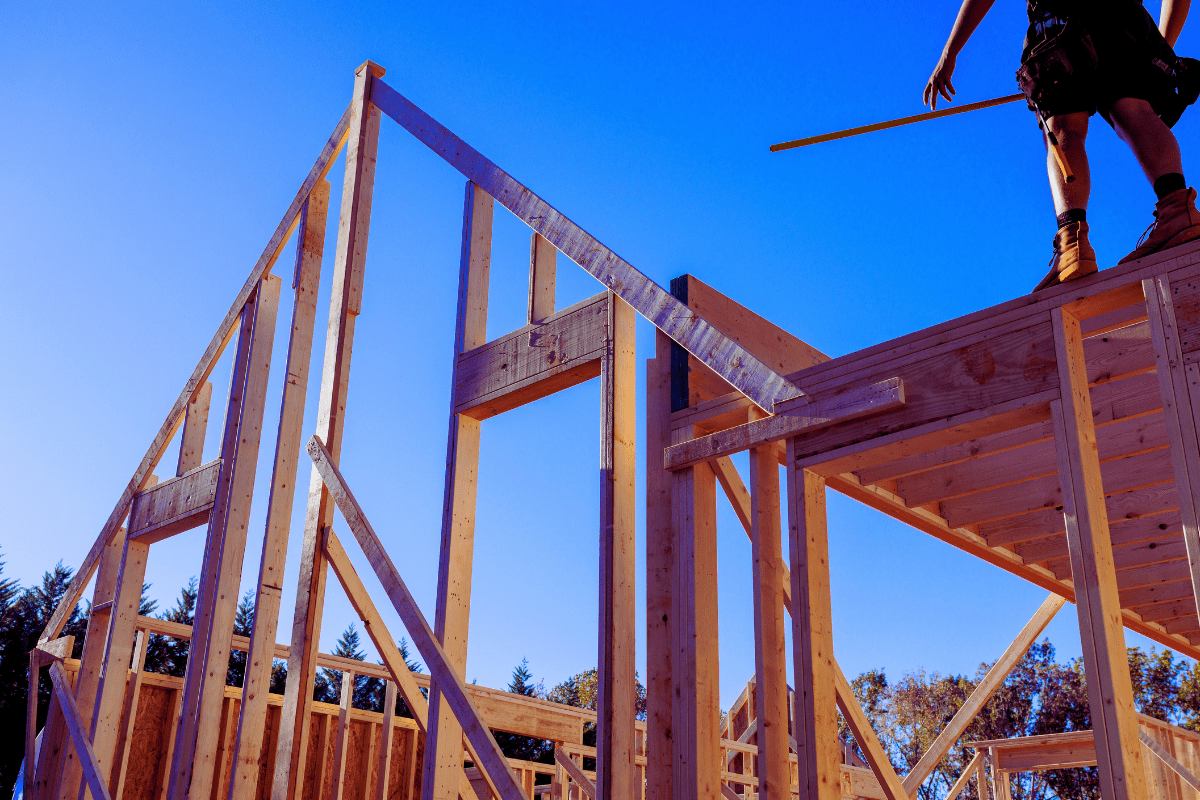
New construction homes can be an exciting and profitable strategy, especially in a high-growth market like Denver and throughout Colorado. With continued population growth, strong job markets, and expanding suburban development, new builds usually offer good appreciation potential, not to mention lower maintenance costs compared to an older property. But investing in new construction is very different from buying an existing home, and you also need to consider the specific *type *of new build you want.
**What Are the Different Types of New Construction Homes? **
Not all new builds are the same. The type of construction you choose will impact risk, timeline, financing, and returns. Here are the four types of new construction that can be invested in.
Spec Homes
Spec homes are homes built by a developer without a specific buyer in place. They range from single-family homes, townhouses, or condos. They’re often the simplest entry point for investors who want new construction without managing a full build.
Pros:
Move-in ready
Don’t have to make tons of building decisions
Cons:
Less customization
May not come with top market design choices
Tract Homes
Tract homes are built in large developments with standardized floor plans. They can typically be bought via a plot of land in a planned community or a home in the community that’s already built. There are usually a few different floor plans to choose from if you choose to buy a plot to build on. Tract homes can perform well as long-term rentals in expanding suburbs around Denver.
Pros:
Lower price per square foot
Strong rental appeal
Often located in growing suburban communities
Usually have perks like clubhouses, pools, tennis/sport courts
Cons:
Floorplans are preset so you can’t customize building decisions
HOA are common and their restrictions may limit rental flexibility
Less uniqueness for resale
Market saturation risk if too many identical homes exist
Lots/Land
Purchasing raw/undeveloped land with the intent to build.
Pros:
Can choose the builder
Full control over development
Construction follows your financial timeline
Cons:
Requires construction management
Higher risk
Longer timelines
Property might not be connected to electricity, sewer, water, or gas
Zoning restrictions
Paying land taxes before ROI kicks in
Custom Homes
Fully customized builds are designed for a specific buyer or niche market. Custom homes are often best suited for experienced investors targeting luxury markets.
Pros:
Fully customized to your tastes
Premium resale value
High-end rental potential
Tailored to a specific demand
Cons:
Highest costs
Longer build times
Greater construction risk
Requires hands-on oversight
Making every decision from beginning, middle, and end
Is Buying a New Build Home a Good Investment?
In many cases, yes. But it depends on strategy. New construction homes often offer:
Lower maintenance and repair costs
Energy efficiency (lower operating expenses)
Builder warranties
Strong tenant appeal
Modern layouts and finishes
However, investors must evaluate other factors, which are not dissimilar to those you'd research when buying an existing property:
Purchase price relative to resale comps
Rental demand in the specific neighborhood
Market cycle timing
Interest rate environment
What Financing Options Are Available for New Construction Homes?
Financing new construction differs from traditional home purchases. Each option varies in down payment requirements, approval criteria, and timeline flexibility. Common options include:
Construction Loans: Short-term loans used to fund the build phase. Typically interest-only during construction.
Construction-to-Permanent Loans: A single loan that converts to a long-term mortgage once the home is complete.
Conventional Investment Loans: Often used for finished spec or tract homes.
Hard Money Loans: Asset-based loans designed for speed and flexibility, ideal for investors.
What Risks Are Unique to Investing in New Construction Homes?
New construction carries risks that resale homes don’t.
Construction delays: Weather, labor shortages, or supply chain issues can push timelines back.
Cost overruns: Material prices can fluctuate, especially in volatile markets.
Market shifts during build: If interest rates rise or demand softens before completion, projected ROI may shrink.
Builder quality concerns: Not all builders deliver equal craftsmanship. Poor quality can impact resale and rental performance.
Appraisal gaps: In rapidly rising markets, appraisals may not always match contract price.
Are Hard Money Loans a Good Option for New Construction Homes?
For many investors hard money loans are an excellent choice. They offer extremely fast turnaround times compared to traditional loans, and they do not require credit scores, income verification, or a hefty downpayment. Rather, they are backed solely by the project itself and its potential for profit. This makes them ideal for:
Ground-up builds
Fix-and-flip new construction
Investors needing bridge financing
Competitive situations requiring quick closing
Because hard money lenders are inherently taking a greater risk, these loans do have higher interest rates than traditional loans and they are not designed for long-term financing (meaning you need an exit strategy); but the speed and flexibility often outweigh the risks, especially if it means the difference between closing on a lucrative project or losing it to a competitor.
At Pinetree Financial, we help investors structure financing solutions tailored to their construction strategy and exit plan.
Start Your Investment in Denver
Whatever type of new build you may be considering, the right financing strategy can make or break your investment. Pinetree Financial specializes in flexible funding solutions for new construction investors across Colorado. If you’re ready to build, or fund, your next investment property, contact us and start your investment in Denver with confidence.