
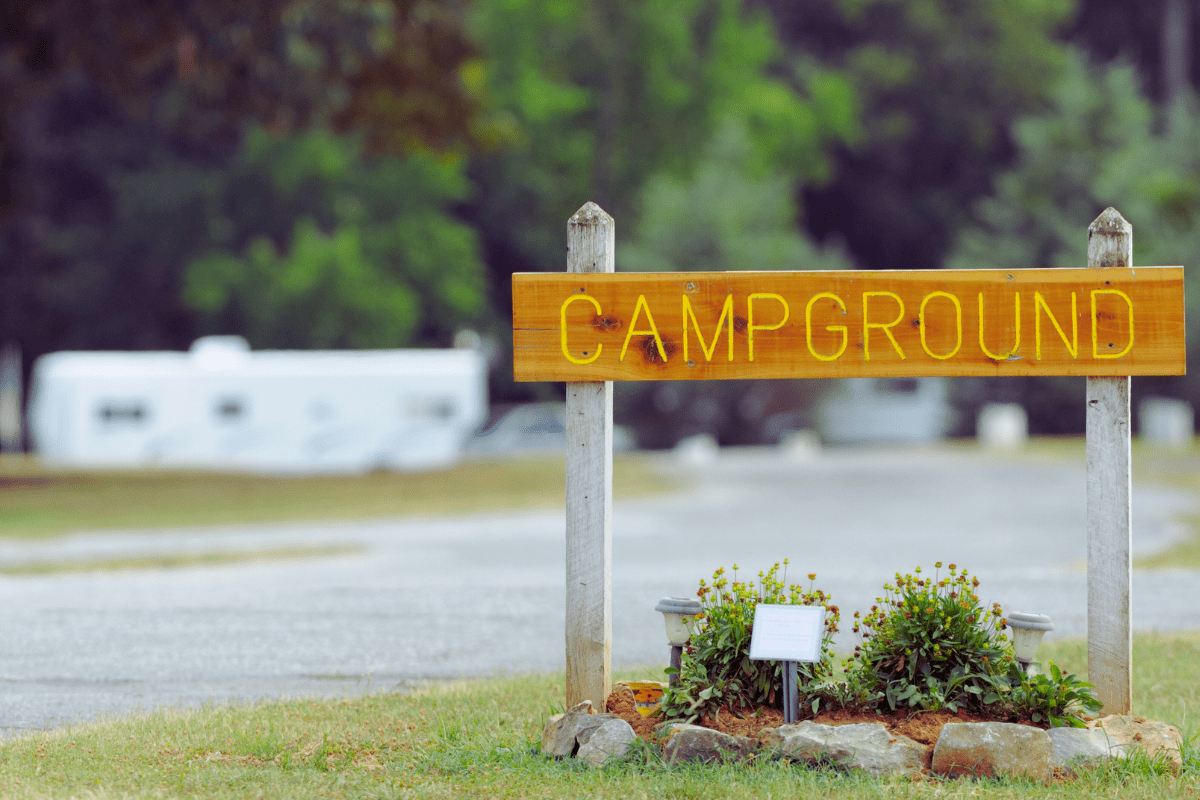
![recreational land used for campground in Colorado]
Colorado’s wide-open spaces and plethora of outdoor activities make recreational land one of the most appealing real estate investments in the state. But buying land comes with a fair few considerations, especially if you plan to develop it. Please keep reading to learn more about the ins and outs of investing in recreational land and when to give us a call for a fast loan that will secure your land opportunity before the competition.
What Is Recreational Land?
Recreational land refers to acreage purchased primarily for enjoyment rather than full-time residential use. Examples include:
Hunting, fishing, or camping property
Mountain or forest retreats
Off-grid parcels
Land for ATVs, horses, or hiking
Future cabin or second-home sites
Is Investing in Recreational Land a Good Idea?
For many Colorado buyers, yes, recreational land can be a strong long-term investment because:
Land is finite and continues to increase in value.
Colorado’s population and tourism sector are growing.
Recreational buyers (hunters, RV owners, outdoors enthusiasts) stay in high demand.
Costs of ownership are often low (no structures, minimal taxes).
You can enjoy the property while it appreciates.
How Do Recreational Land Loans Work in Colorado?
Traditional banks are often hesitant to finance land without structures, utilities, or road access. That’s where land loans, including hard money land loans, come in. A recreational land loan typically covers:
Raw land
Off-grid, rural, or undeveloped property
Parcels without utilities or septic
Short-term or long-term investment land
Loan terms vary based on:
Acreage
Location and access
Improvements (if any)
Intended use
Hard money lenders like Pinetree Financial focus on the value of the land itself, which allows us to approve projects traditional lenders would decline.
Why Choose a Hard Money Loan Instead of a Traditional Land Loan?
Hard money land loans offer several major advantages in Colorado’s competitive land market:
Faster closing times
Private lenders can close in days instead of months.
Flexible requirements
No W-2s, strict credit score minimums, or extensive documentation.
Ideal for unique or off-grid parcels
Banks usually reject raw or unconventional land, but hard money lenders typically don't.
Great for investors
Short-term loans help buyers secure land quickly, then refinance or sell when ready.
What Should You Look for Before Buying Recreational Land in Colorado?
Not all land is created equal. Before purchasing, evaluate:
Legal access (easements or county road)
Water rights and nearby water sources
Utility possibilities (solar, well, septic potential)
Zoning restrictions
Topography and soil quality
Wildlife habitat
HOA or land-use rules
Survey and boundary markers
How Can You Maximize the ROI on Recreational Property?
Recreational land can offer passive and active income streams when managed wisely. Investors can boost returns on recreational land by developing the land and adding certain amenities that boost convenience for visitors. For example:
Building storage structures or RV hookups
Creating hunting blinds or trails
Leasing to hunters, ranchers, or outdoor groups
Installing off-grid utilities (solar, composting toilet, well)
Subdividing large parcels (where zoning allows)
Holding long-term while land values rise
What Are the Biggest Risks When Buying Recreational Land (And How Do You Mitigate Them)?
If you’re worried about risks and how to mitigate them, work with an experienced lender like Pinetree Financial. We can help identify potential red flags early.
Recreational Land Risk #1: Lack of Legal Access
Not all recreational properties come with guaranteed access. Some parcels are landlocked, meaning you can only reach them by crossing someone else’s land. If the access route isn’t legally recorded, the owner of the neighboring parcel can block you at any time. Furthermore, many lenders won’t finance parcels without legal ingress/egress.
Always verify easements and county records before closing. Request copies of all recorded easements, check county GIS maps, and make sure access is legally documented in writing, not just verbal or historical.
Recreational Land Risk #2: Restrictive Zoning or Land-Use Limitations
Just because the land looks perfect for your plans doesn’t mean the county agrees. Zoning rules can limit everything from structures and RV parking to hunting, livestock, and short-term stays.
Check county zoning, land-use rules, and long-term planning maps early. Talk directly with the planning and zoning department to confirm your intended use is allowed before making an offer.
Risk #3: Utilities Being More Expensive Than Expected
Many recreational parcels are off-grid or located far from municipal utilities. Running power lines, drilling a well, or installing septic can cost significantly more than first-time land buyers expect. In fact, the cost of utilities can exceed what you paid for the lot itself if you’re not careful.
Get estimates for wells, septic systems, and off-grid power systems beforehand. Contact well drillers, septic installers, and the local electric cooperative before closing to get realistic cost expectations.
Risk #4: Environmental or Wildlife Restrictions
Environmental protections can affect where you build or what you can do on the land. Flood zones, wetlands, protected species habitats, and conservation easements may all limit your freedom and flexibility. Portions of the land may be unusable entirely, while others might require expensive permits to build on.
Review surveys, flood maps, conservation rules, and environmental reports. Also check for wetlands designations and ask whether any part of the land lies in a protected habitat area.
Risk #5: Overpaying for Land
Raw land values vary widely depending on access, zoning, topography, improvements, and demand. Without proper comparison, buyers may unknowingly overpay, which can lead to problems down the road, including your ROI. ** **Do your due diligence and compare recent sales of similar acreage in the same county. Look at comparable parcels with similar terrain, access, utilities, and zoning, not just acreage.
Fast, Flexible Land Loans in Colorado
If you're ready to buy recreational land, Pinetree Financial can help you secure financing quickly, often in days, not weeks, and without the strict requirements of traditional lenders. Contact us today get started with a fast, flexible Colorado land loan.