
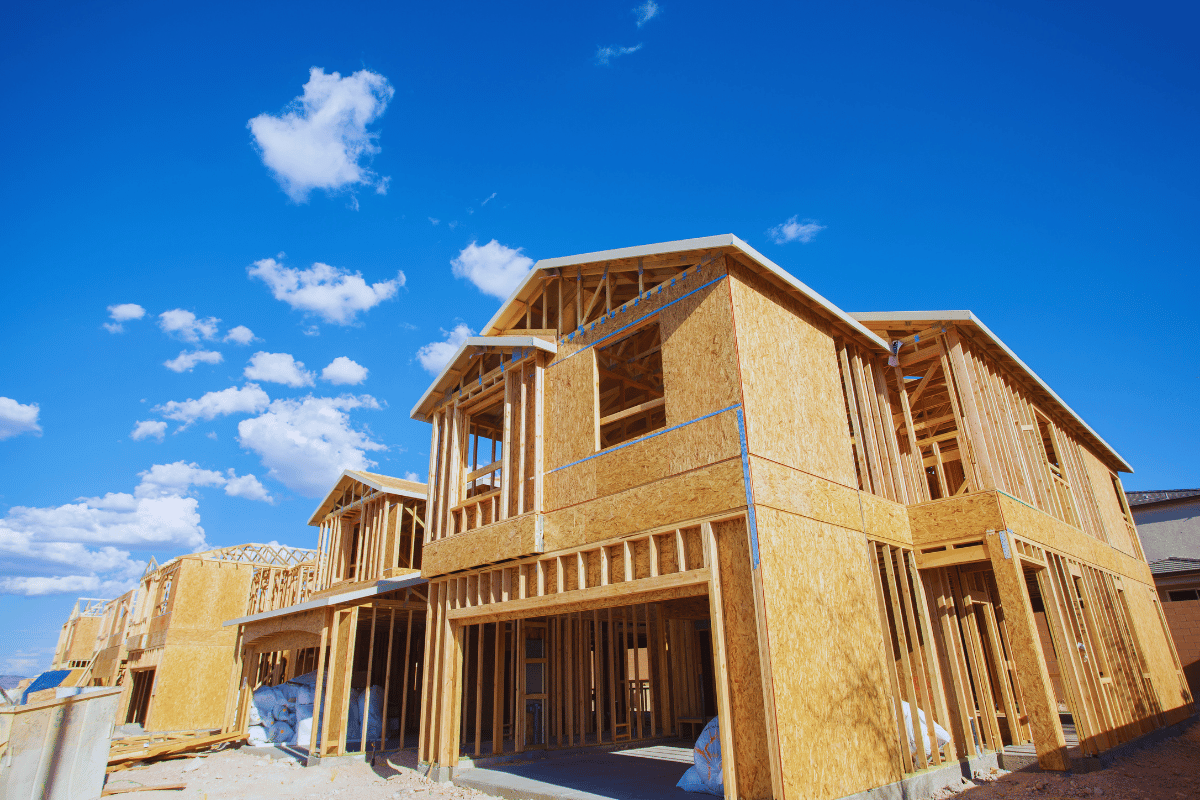
For many real estate investors, spec homes offer an opportunity to participate in new construction without building a custom home for a specific client. In the right market, a well-designed spec home can generate attractive returns, but like any real estate investment, it comes with risks that should be carefully evaluated.
First: What Is a Spec Home?
A spec home, short for speculative home, is a type of new construction property built by a developer, builder, or investor without a specific buyer already under contract. Instead, the builder designs and constructs the home based on what they believe will appeal to buyers in that particular market. The builder assumes the financial risk and hopes to sell the completed property quickly and profitably once construction is finished.
Spec homes are commonly found in:
- New residential developments
- Growing suburban communities
- High-demand housing markets
- Areas experiencing inventory shortages
Who Typically Buys a Spec Home?
Spec homes appeal to a broad range of homebuyers, particularly those who want the benefits of new construction without waiting months for a custom build.
Common buyers include:
Move-Up Buyers
Families upgrading from a starter home often prefer spec homes because they are move-in ready and typically include modern layouts and updated finishes.
Relocating Professionals
Buyers moving for work frequently need housing on a specific timeline. Waiting 8 to 12 months for a custom build is often not practical.
First-Time Homebuyers
Some first-time buyers are attracted to spec homes because they offer a new property with fewer maintenance concerns than older homes.
Retirees
Many retirees are in the market for turnkey living and prefer homes that require minimal repairs or renovations.
Because these homes are designed for broad market appeal, builders often select popular finishes, functional floor plans, and desirable features that attract the largest pool of potential buyers.
Spec Home vs. Model Home
Although the terms are sometimes used interchangeably, spec homes and model homes are not the same thing. Model homes are used primarily for marketing purposes to act as an example of what to expect in other homes in a developing community.
Spec Home:
- Built to be sold
- Intended as an investment property
- Available for immediate purchase
- May vary in finishes and design
Model Home:
- Built primarily for marketing
- Intended to showcase a community's floor plans and features
- Often not sold until the development is nearing completion
- Frequently upgraded with premium features
To sum up: a model home acts as a sales tool for the builder, while a spec home is built with the goal of generating profit through a sale.
Spec Home vs. Custom Home
The biggest difference between a spec home and a custom home is buyer involvement.
Spec Home:
- Builder chooses the design
- Builder selects finishes and materials
- No buyer contract exists before construction begins
- Built to appeal to a broad market
- Usually available sooner
Custom Home:
- Homeowner participates in design decisions
- Built around a specific buyer's preferences
- Usually requires a construction contract before work begins
- Greater personalization
- Often involves a longer timeline
Builders use spec homes to capitalize on market demand, while custom homes focus on fulfilling an individual buyer's vision.
Can a Spec Home Be a Good Investment?
In many cases, yes. Investing in spec homes can be profitable when builders accurately predict buyer demand and tastes and control construction costs.
Potential Advantages
Faster Sales
Plenty of homebuyers prefer move-in-ready properties rather than waiting for custom construction. This can reduce holding periods and accelerate cash flow.
Greater Control
Investors control:
- Design
- Construction schedule
- Material selections
- Budget
- Marketing strategy
This flexibility allows builders to tailor homes without the potentially tedious back and forth of a custom build, which usually means a much faster turnaround time.
Potential for Strong Margins
When market conditions are favorable, spec homes may sell at premium prices, particularly in neighborhoods with limited housing inventory.
Scalability
Successful builders often replicate winning floor plans and construction processes across multiple projects, which creates efficiencies that improve profitability.
Potential Drawbacks of Investing in Spec Homes
Despite the potential upside, spec home investing is not without risk.
No Guaranteed Buyer
The most significant risk is building a property before securing a purchaser. If market conditions change, the home may take longer to sell than expected, which increases carrying costs.
Market Risk
Housing markets can shift due to:
- Interest rate changes
- Economic slowdowns
- Employment trends
- Local inventory increases
A home designed for today's market may be less attractive if conditions change during construction.
Cost Overruns
Unexpected increases in labor costs, material prices, permit fees, utilities, etc. can swiftly eat into profit margins.
Carrying Costs
While the home remains unsold, investors continue paying all the associated fees and bills, including:
- Loan interest
- Property taxes
- Insurance
- Utilities
- HOA dues (if applicable)
The longer a property sits on the market, the more carrying costs impact profitability.
Design Miscalculations
Even experienced builders can misjudge consumer preferences. Features that seem appealing may not resonate with local buyers in the end, which means the property could take longer to sell or will need to sell for less.
How Are Spec Homes Financed?
Because no buyer is under contract when construction begins, financing can be more challenging than traditional home construction.
Spec Home Construction Loans
Hard money construction loans are the gold standard for financing speculative building projects. These loans can fund:
- Land acquisition
- Site preparation
- Construction costs
- Certain soft costs such as permits and fees
Funds are often released in stages, known as construction draws, as the project progresses. These loans are designed to close quickly and require no credit score. They are a great bridge between property build and long-term financing after a sale is made.
Builder Lines of Credit
Experienced builders may maintain revolving credit facilities that allow them to fund multiple projects simultaneously.
Commercial Real Estate Loans
Professional investors sometimes utilize commercial lending products if they are developing multiple homes or subdivisions.
Cash Financing
Some investors use personal or business capital to eliminate financing costs, though this requires significant liquidity.
Hard Money Loan Requirements for Spec Home Financing
Requirements vary by lender, but common underwriting considerations include:
1. Down Payment or Equity Contribution
Most hard money lenders want the borrower to have some skin in the game. Depending on the lender, project, and borrower experience, investors may be required to contribute approximately 15% to 30% of the total project cost, although experienced builders may occasionally qualify for higher leverage.
2. Building Experience
Experience is often one of the biggest factors in approval.
Lenders typically prefer borrowers who can demonstrate:
- Previous spec home projects
- Custom home construction experience
- Fix-and-flip experience
- General contracting experience
- Successful project completions
First-time builders can still qualify, but they may face lower loan-to-cost ratios, higher interest rates, or additional documentation requirements.
3. Detailed Construction Budget
Before approving a spec construction loan, lenders typically want a thorough project package that includes:
- Construction plans
- Architectural drawings
- Scope of work
- Itemized budget
- Contractor bids
- Construction timeline
The lender uses this information to determine whether the project is realistic and financially viable.
4. Market Analysis and Exit Strategy
Because there is no buyer under contract, lenders want evidence that the completed home can be sold.
Borrowers may need to provide:
- Comparable sales (comps)
- Neighborhood market data
- Expected after-completion value (ARV)
- Estimated days on market
- Marketing and sales strategy
In essence, the lender is evaluating whether the spec home is likely to sell at the projected price within a reasonable timeframe.
5. The Lot or Property
The lender will assess:
- Location
- Zoning
- Infrastructure availability
- Neighborhood demand
- Property value
Well-positioned lots in growing areas generally receive more favorable consideration than speculative projects in slower-moving markets.
6. Cash Reserves
Many lenders want to see that borrowers have sufficient liquidity to handle unexpected expenses.
This may include funds to cover:
- Cost overruns
- Construction delays
- Loan payments
- Property taxes
- Insurance
- Marketing expenses
Having reserves helps reassure lenders that the project can stay on track if challenges arise.
7. After-Built Appraisal
Most hard money lenders order an appraisal that estimates the property's value once construction is complete.
The loan amount is often based on metrics such as:
- Loan-to-Cost (LTC)
- Loan-to-Value (LTV)
- Loan-to-After-Repair/After-Completion Value (ARV)
The stronger the projected value compared to total project costs, the easier it may be to qualify.
Colorado Hard Money Loans
Spec homes can be an attractive investment for builders and real estate investors who understand their local market and have systems in place to manage construction, financing, and sales effectively. If you're interested in building a spec home in Colorado, contact the professionals at Pinetree Financial Partners. We have loaned on new construction projects all over the state for more than thirty years. Call or go online today to discuss your project—we look forward to working with you!
Frequently Asked Questions
Do spec homes sell faster than custom homes?
Often, yes. Because spec homes are typically completed or near completion when listed, buyers can move in much sooner than they could with a custom build.
Are spec homes cheaper than custom homes?
They often are because builders use standardized plans, established supplier relationships, and bulk purchasing to reduce costs.
Can investors buy completed spec homes?
Yes. Investors may purchase completed spec homes as rental properties, long-term investments, or resale opportunities.
Do spec homes come with warranties?
Many newly built spec homes include builder warranties that cover certain structural components and systems, although coverage varies by builder.
What is the biggest risk of investing in spec homes?
The largest risk is constructing a home without a guaranteed buyer. If the market softens or demand decreases, investors may face extended holding costs and reduced profits.